
WHY ELEPHANTS MATTER
and why they need our protection.
CAPTIVE ELEPHANTS
Captive elephants are wild beings confined to human control, deprived of the freedom and natural life they are meant to live.
Elephant Care Facility (ECF)
WRRC’s Elephant Care Facility is Karnataka’s first dedicated institution for the long-term treatment and rehabilitation of rescued elephants. The Centre generally operates with the generous support of the Government of Karnataka. ECF provides a peaceful and nurturing environment for elephants, each with a unique story of survival and resilience, all while strengthening its role as a leading advocate for captive elephants in India by 2016. As of 2022, WRRC collaborated with the Karnataka Forest Department and relocated to a new facility, ensuring that the elephants have the necessary space to thrive.
Elephants here are rescued from harsh conditions, including neglect, physical ailments, and captivity. They receive individualized care including a nutritious daily diet of fresh grass, fruits, and vegetables, regular veterinary check-ups, and full-time attention from trained mahouts and managers.
A vital step is taken here in managing conditions like arthritis, abscesses, and infections common in rescued elephants. Each elephant at ECF is treated not just as a rescue, but as an animal with space to explore, heal, and live with the dignity that they deserve, setting a benchmark for ethical elephant care in India.
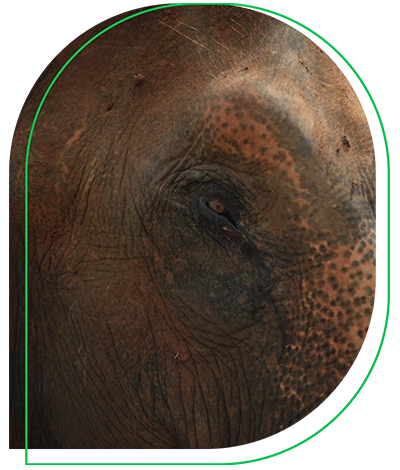
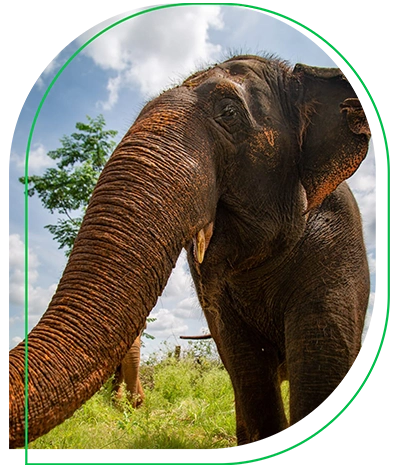
What is captivity and Why elephants matter?
WRRC has conducted extensive research on elephants in captivity and advocated for their welfare. Captive elephants used for tourist rides, weddings, and religious events suffer greatly. They endure harsh conditions, lack social interaction and proper stimuli, and are often torn from their families at a young age, living in constant fear. Approximately 2800-3000 such elephants exist in India. Following a 2005 assessment of elephants in Karnataka at the request of the High Court and Forest Department, WRRC became deeply involved in improving their lives through legal advocacy, rescues, and community outreach.
“Gods in Chains,” a book commissioned by the WRRC, aimed to address the dire living and training conditions of captive elephants by providing insights and solutions. The book exposed the often-desperate circumstances faced by these elephants across India, whether in private hands, temples, forest departments, zoos, or circuses.
This launch initiated a new phase in developing and implementing improved management and welfare standards for captive working elephants. Serving as a practical guide, “Gods in Chains” is intended for students, policymakers, animal welfare advocates, bureaucrats, and anyone interested in improving the lives of these animals, with whom humans share a long and profound connection. The WRRC publication “Gods in Chains,” received the Proggy Award from People for Ethical Treatment of Animals (PETA) in 2005, recognizing it as the Social Cause Book of the Year.