WRRC's Campaigns
Campaigns are hugely crucial in animal welfare because they amplify voices, mobilize support, and create real-world impact. Campaigns help bring attention to cruelty cases that might otherwise stay hidden. It transforms an NGO from an organization operating on passion to one that can sustainably invest, grow, and execute lasting societal change with professional effectiveness. Unlike individual donations or government grants, successful campaigns often assist NGO on various levels.
Awareness campaigns help inform people about:
• Animal cruelty laws
• Wildlife protection and conservation
• Illegal pet keeping
• Rescue and rehabilitation stories
• Disaster & Emergency Response management
• Fundraising & Support Appeals
Most cruelty happens because of ignorance on how to treat animals kindly and the laws protecting animals. Every campaign plants a seed. Over time, it grows into a community that values kindness and protects animals.
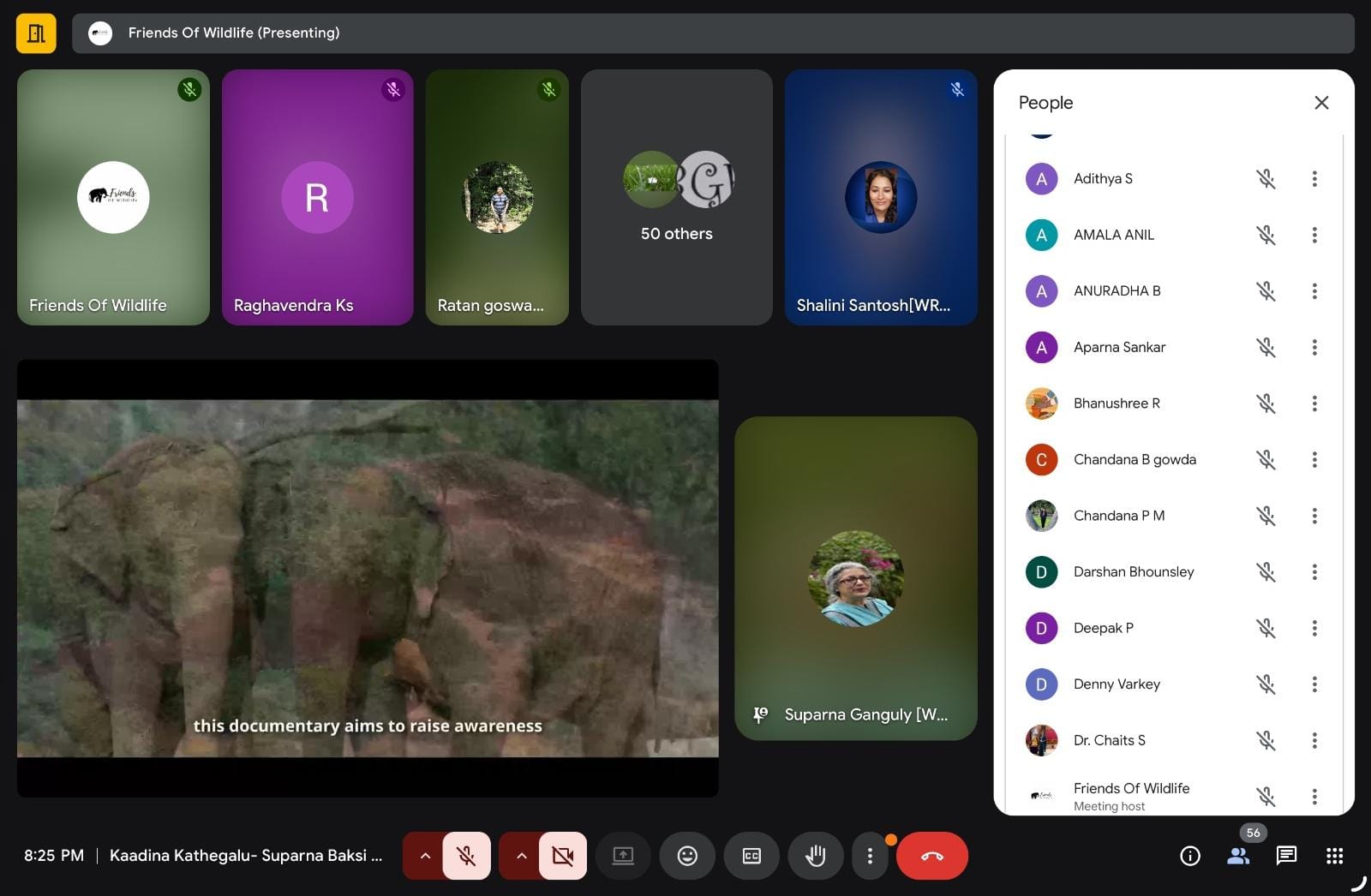
WRRC Online AWARENESS CAMPAIGNS
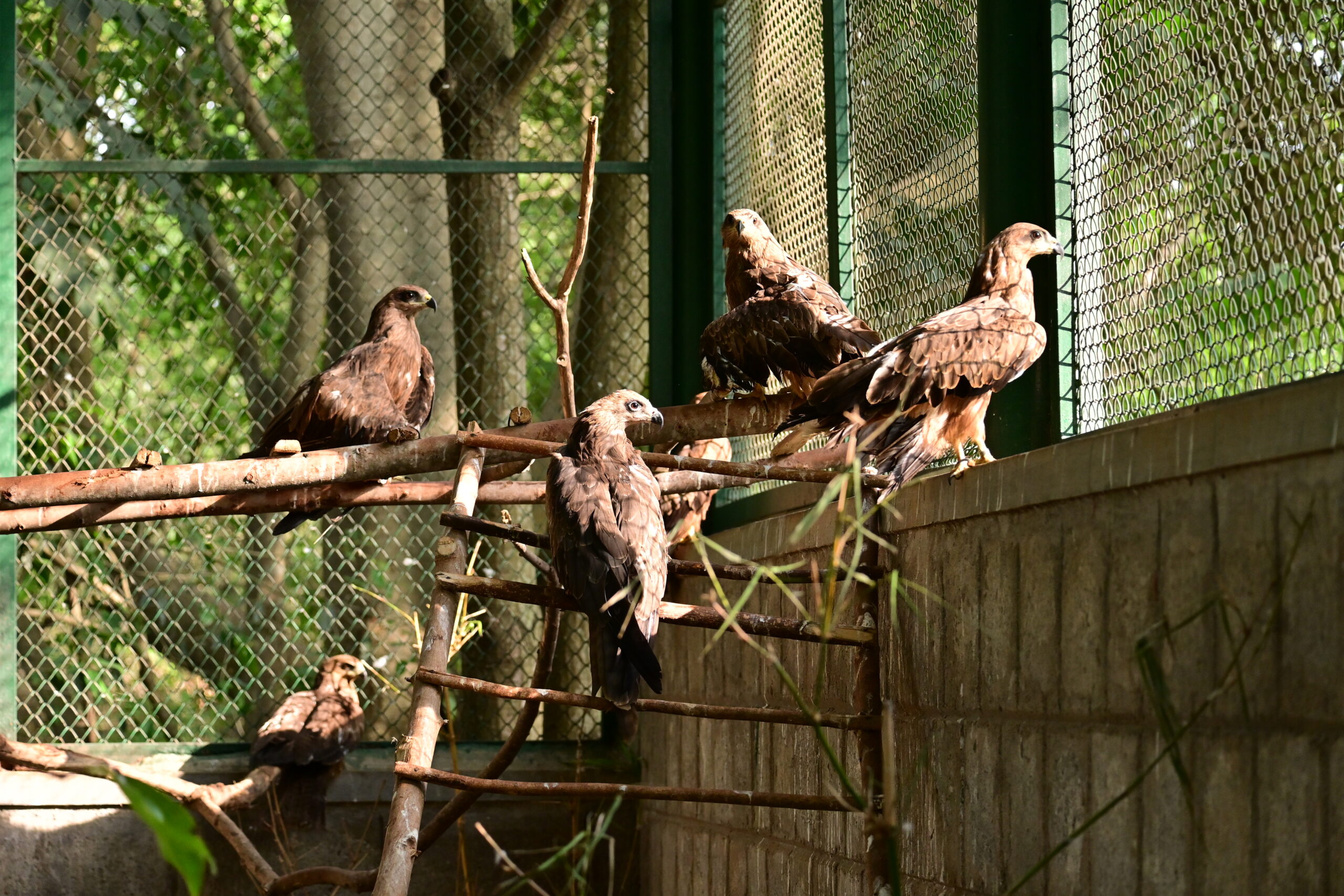
Kite flight practice enclosure
Kites are one of the highest-volume admissions at BRC, with individuals arriving throughout the year due to wing fractures, Manja collision injuries, electrocution, falls, and entanglement. Their recovery requires more than medical treatment—kites need space to rebuild flight strength, balance, stamina, and maneuvering ability before they can be released safely.
BRC also cares for several lifetime-care kites that cannot be released due to permanent injuries. These birds deserve a secure, species-appropriate space where they can fly short distances, perch naturally, and live comfortably for the rest of their lives.
Currently, BRC does not have enough enclosures for kites, which limits our ability to rehabilitate them properly. This increases the risk of premature release and reduces long-term welfare for non-releasable birds. A Kite Flight Enclosure is therefore essential to address a critical infrastructure gap.
Enclosure Plan & Specifications Dimensions: 30 ft (L) × 20 ft (W) × 20 ft (H) |
Double Welded Mesh
Double-Door Entry
Soil + Sand Flooring
Multi-Level Wooden Perches
30% Shade Net
Recovery & Lifetime Care Ready
This design offers safe space for flight conditioning, natural behaviour, and long-term welfare. The Kite Flight Enclosure will significantly improve the rehabilitation quality, release success, and lifelong care of kites at BRC. With high annual admissions and several non-releasable kites, this enclosure is an urgent and essential addition to our infrastructure.
Total Estimated Cost- (enrichment, double mesh,steel, flooring ,transport ) ₹5,00,000 (Five Lakhs)
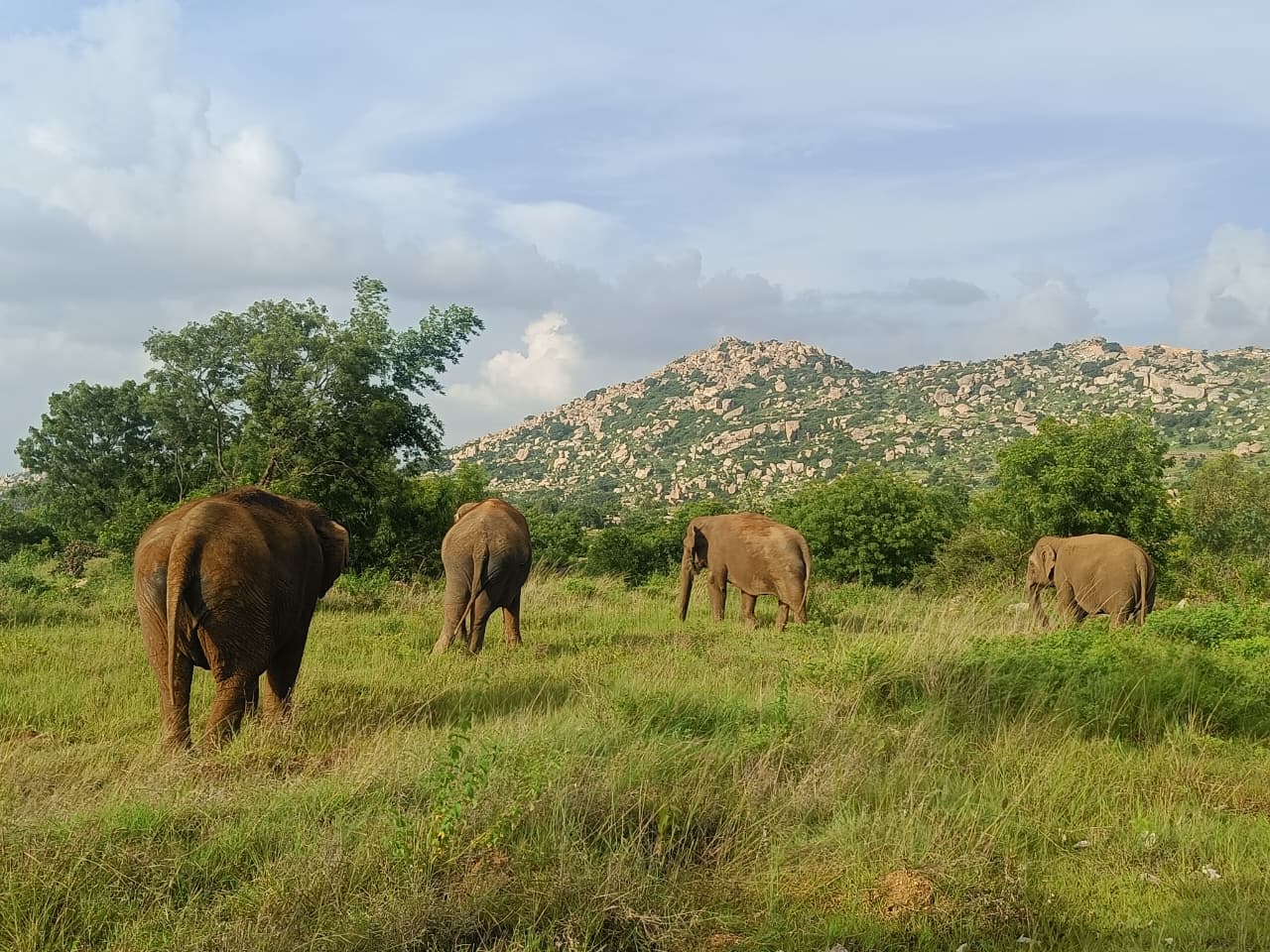
Essential Care Needs for the Elephants at WRRC’s Elephant Care Facility
Help Us Sustain Their Second Chance at Life
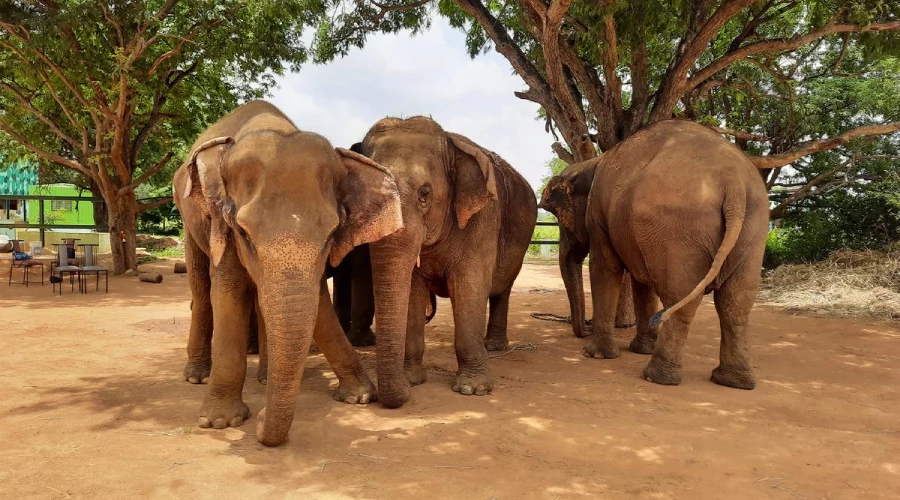
The Elephant Care Facility (ECF) was created to give rescued elephants something they were denied their entire lives: safety, dignity, and the freedom to simply be elephants.
Here, individuals who have survived years, often decades of cruelty finally find peace.
But healing doesn’t happen automatically.
It requires dedicated care, consistent nourishment, and a safe, well-maintained environment—every single day.
The Silent Stories They Carry
Every elephant at ECF has endured a past marked by suffering. Many arrived with:
• Chronic arthritis from forced labour and long hours standing on hard surfaces
• Deep wounds and abscesses caused by abuse
• Severe stress, trauma, and fear of unfamiliar humans
• Partial or complete blindness
• Long-term behavioural scars from isolation and confinement
In the sanctuary, they finally receive compassionate, trauma-informed care. They relearn trust. They rediscover play. They take their first steps toward recovery.
What It Really Takes to Care for a Giant
Caring for a rescued elephant is a lifelong commitment—one that is complex, intensive, and expensive.
Yet many of the most essential needs of these elephants currently receive no dedicated funding.These underfunded necessities directly impact their comfort, mobility, and long-term healing.
Monthly Soil Turning (JCB Requirement)
Soft, loose soil reduces pressure on painful joints and prevents injuries. Regular soil turning is essential for elephants with arthritis and chronic foot issues.
Plumbing Repairs
A reliable water system ensures access to drinking water, therapeutic baths, and hydrotherapy—crucial for physical and emotional wellbeing.
Monthly Soak Pit Cleaning
Maintains hygiene, prevents infections, and supports safe waste and water management across the sanctuary.
Water Tank Cleaning
Ensures uncontaminated water for drinking and bathing, supporting immunity and overall health.
Fresh Sand & Soil Procurement
Sand beds and dust baths are vital for temperature regulation, itch relief, skin health, and natural healing.
Neem, Castor & Coconut Oil
Used for massage, arthritis relief, hydration, and treating old scars—simple natural remedies that provide immense comfort.
One of Our Largest Daily Needs: FEED
Feeding a rescued elephant is a massive responsibility—and a daily one.
Each individual consumes large amounts of food every day, including:
• Fresh green fodder
• Fruits and vegetables
• Ragi mudde for strength
• Chaffed fodder
• Supplements for immunity
• Medicated diets for chronic injuries and ageing-related issues
For elephants recovering from years of malnourishment and physical strain, nutrition is medicine.
Without proper nutrition, healing simply isn’t possible.
Your Support Keeps Them Safe, Healthy, and Healing
At ECF, each elephant receives medical care, therapeutic treatments, nurturing caregivers, and a peaceful environment. But these essentials—the food, the maintenance, the natural habitat they depend on—cannot be sustained without your support.
Budget Estimate
One of Our Largest Daily Needs: FEED
Elephant Nutrition-Total for 6 elephants: ₹9,00,000 per month
Total Monthly Costs for Essential Care
₹9,85,000 per month
(₹85,000 sanctuary maintenance + ₹9,00,000 feeding)