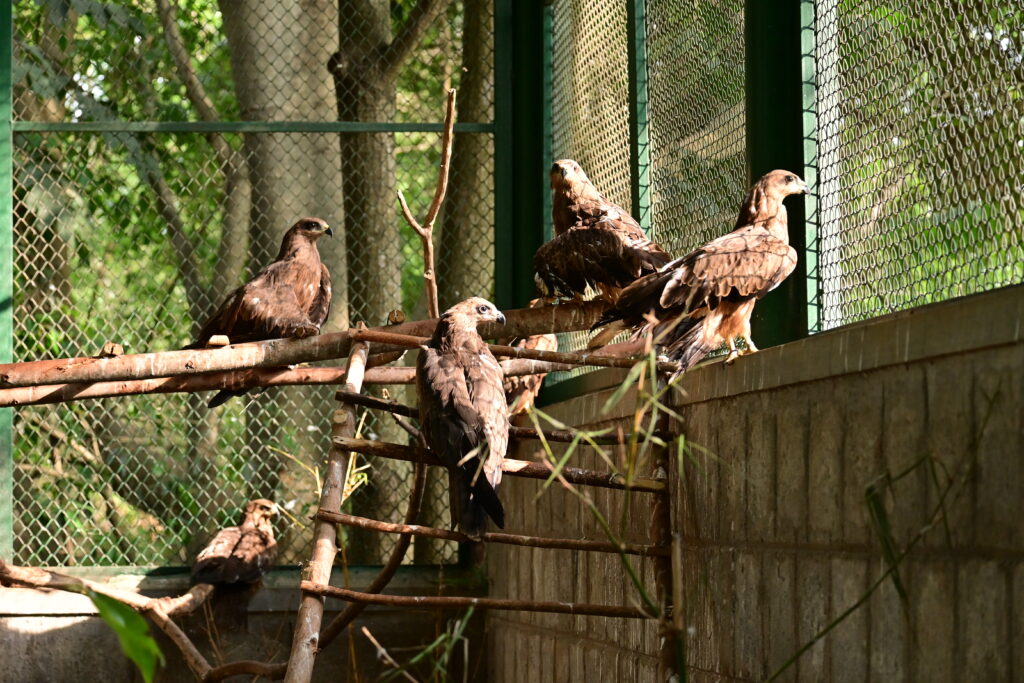
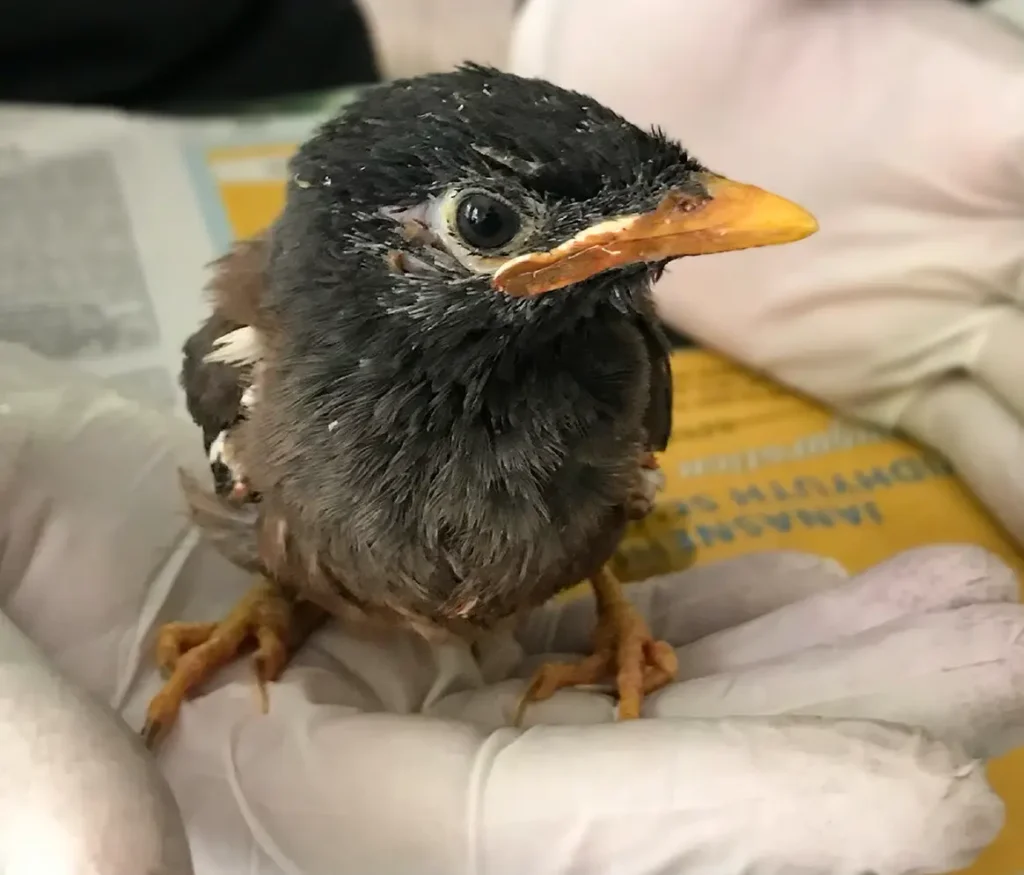
The urban wildlife at Bannerghatta Rehabilitaion Centre( BRC) requires continuous medical care but cannot be relocated from their natural habitat. WRRC offers you the opportunity to passively adopt an urban wild animal by sponsoring its food, supplements and medical treatment.
Your generous monthly passive adoptions donations towards these semi-permanent animals will be allocated towards the monthly operations of their upkeep and eventually towards their successful rehabilitation.
How does passive adoption work? The urban wildlife at Bannerghatta Rehabilitaion Centre( BRC) requires continuous medical care but cannot be relocated from their natural habitat. WRRC offers you the opportunity to passively adopt an urban wild animal by sponsoring its food, supplements and medical treatment. Your generous passive adoption donation will be allocated towards the monthly upkeep semi – permanent recovering wild life and their eventual rehabilitation.
Do I get to meet my adopted animal? To ensure the urban wild animal’s successful recovery and rehabilitation, direct human contact is best avoided as it could disrupt their recovery and healing process.
How often will I receive updates on my adopted animal? You will receive monthly updates of the animal that you have adopted via email through the communications@wrrcindia.org, email ID.
Is there a minimum commitment period? Bonnet macaques, parakeets, owls, bats and kites often need few months to over a year and a half to be rehabilitated. Some bonnet macaques and kites require lifelong care depending on the nature of their injury and thus a longer commitment from passive adoptive parents.