Corporate Social Responsibility
CSR assistance transforms an NGO from an organization operating on passion to one that can sustainably invest, grow, and execute lasting societal change with professional effectiveness. Unlike individual donations or government grants, successful CSR partnerships often lead to multi-year commitments and assists NGO on various levels. This allows the NGO to plan long-term projects, retain skilled staff, and cover essentials towards organization's existence but are often difficult to fund otherwise.
WRRC has been supported by a few who has certainly amplified our mission.
What entails for a CSR Support toward WRRC?
Wildlife Rescue and Rehabilitation Centre (WRRC) operates two critical centres in Karnataka:
- Bannerghatta Rehabilitation Centre (BRC) - dedicated to urban wildlife rescue, rehabilitation, and community coexistence (outreach and awareness).
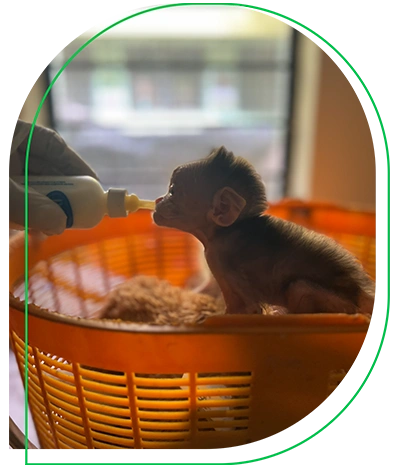
- Elephant Care Facility (ECF), Kolar - The Elephant Care Facility (ECF) in Kolar is a specialized sanctuary providing lifelong care, rehabilitation, and welfare support for captive elephants rescued from abusive, exploitative,or conflict-prone environments. Elephants require extensive space, dedicated caregivers, specialised veterinary care, and long-term commitment-making ECF a critical welfare institution in Karnataka.
Together, these centres address some of the most urgent conservation and welfare challenges in India—urban wildlife conflict, emergency rescue response, rehabilitation of injured animals, and the lifelong care of elephants in need. Running these centres requires continuous investment in skilled personnel, infrastructure, medical care, research, and operational systems.Both CSR partnerships and individual donations are vital to sustain and strengthen this work. Every contribution, large or small-directly improves the lives of injured animals,supports frontline staff, and strengthens Karnataka’s wildlife welfare systems.
CSR & Donation Support Areas for WRRC
Bannerghatta Rehabilitation Centre (BRC):
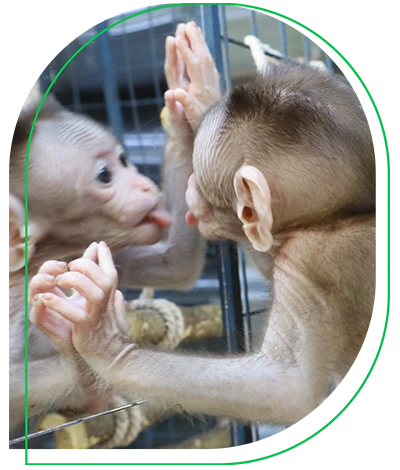
Wildlife rescue and rehabilitation are no longer fringe conservation activities, they are essential public services in rapidly expanding urban landscapes like Bangalore. The Bannerghatta Rehabilitation Centre (BRC), managed by WRRC, fills a critical gap in responding to wildlife emergencies, treating injured animals, supporting Forest Department operations, and conducting public outreach.
Both CSR partnerships and public/individual donations play a vital role in sustaining and expanding this work. Each contribution—big or small—directly impacts the lives of rescued animals and the communities living alongside wildlife.
Wildlife Rescue & Rehabilitation
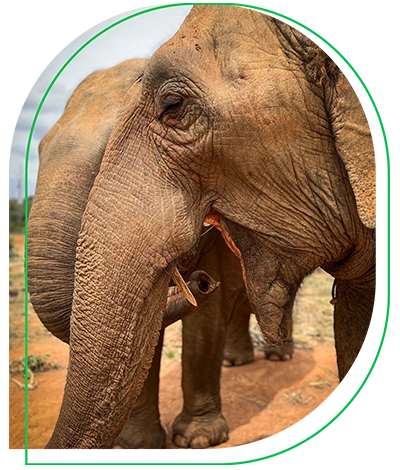
Urban wildlife conflict is increasing, and WRRC’s emergency rescue team is often the only lifeline for injured animals. CSR funding and individual donations can strengthen and scale this essential service by:
- Supporting rescuer salaries, trained veterinary doctors, and medical attendants who respond to emergency calls round the clock.
- Fuel, maintenance, and operational support for the wildlife ambulance, ensuring rapid response during critical situations.
- Covering treatment costs for injured, abandoned, and confiscated wildlife, including medicines, diagnostics, and rehabilitation materials, which significantly increases survival rates.
- Sponsoring critical rescue equipment such as snake hooks, nets, carriers, PPE, safety gear, release cages, and species-specific holding units required for safe and humane handling.
Every donation—whether corporate or individual—directly enhances our ability to respond quickly and professionally to wildlife emergencies.
Infrastructure Development at BRC
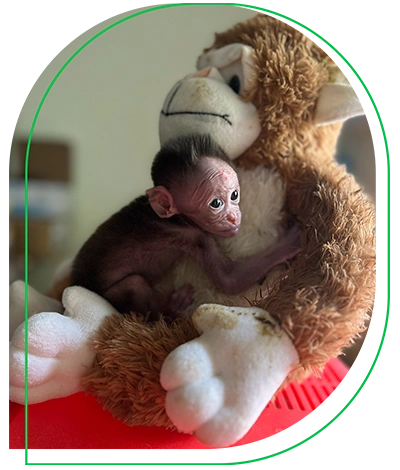
The existing wildlife rehabilitation infrastructure at Bannerghatta requires significant upgrading to meet growing demand. Both CSR and donation support can help advance:
- Construction and renovation of species-appropriate enclosures: aviaries, reptile units, small mammal enclosures, and permanent care shelters.
- Essential facility upgrades such as water supply, electricity, drainage, and sanitation systems.
- Enrichment structures—climbing frames, perches, hammocks, ponds, — that promote animal well-being and reduce stress.
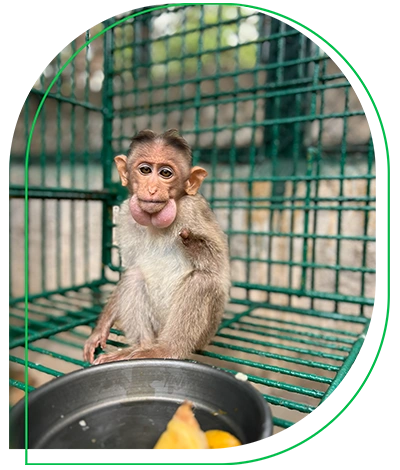
Another contribution can be towards supporting a specialized Diagnostic & Medical Equipment Centre at BRC. This centre will house critical tools including:
- X-ray and ultrasound machines
- Sterilisation units
- Blood analysis systems
- Microscopy and pathology equipment
- Climate-controlled medicine storage
A dedicated diagnostic building will minimise dependence on external labs, speed up medical decision-making, and markedly improve animal survival outcomes.
CSR and donations can support the civil construction, equipment procurement, installation, and long-term maintenance—creating a permanent asset for wildlife welfare in Karnataka.
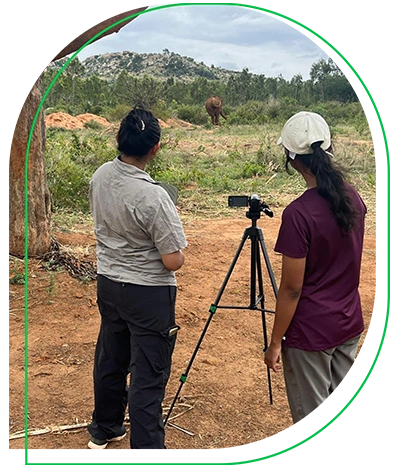
Operational Support
Running a wildlife rescue centre involves extensive recurring costs. Both CSR partners and donors can support:
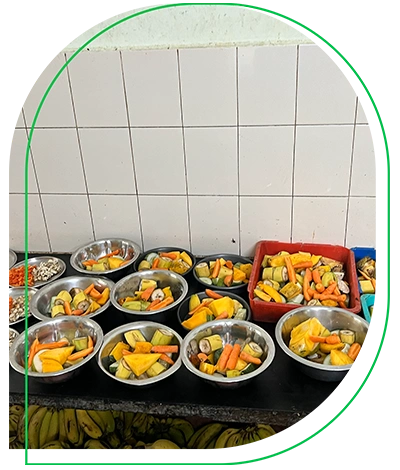
- Daily operational expenses such as species-appropriate food, medical consumables, sanitation, utilities, and equipment maintenance.
- Implementation of documentation, data management, and monitoring systems for scientific accuracy, transparency, and compliance.
- Capacity-building initiatives such as staff training in wildlife handling, first aid, safety protocols, and rescue guidelines.
Donations and CSR support help ensure continuity of operations throughout the year.
Community Outreach Awareness
Reducing wildlife conflict requires informed and engaged communities. CSR and donations can support:
- School and college workshops, RWA sessions, and urban coexistence campaigns
- Production of high-quality outreach materials, posters, films, brochures, booklets, display boards.
- Annual community events, volunteering drives, and public awareness campaigns
These efforts build empathy, improve safety, and nurture a long-term culture of coexistence.
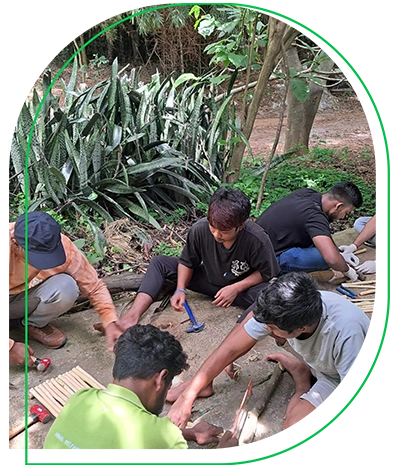
Research & Lifetime Care
WRRC also provides lifetime care for permanently disabled wildlife that cannot return to the wild. Support from CSR donors and individual contributors is crucial to cover:
- Long-term food, medical treatment, shelter, and enrichment for lifetime residents.
- Baseline research on urban wildlife trends, conflict hotspots, rehabilitation outcomes, and disease surveillance—critical for policy and conservation planning.
- Strengthening research capacity through improved data systems, documentation tools, and analysis support.
Both CSR contributions and public donations make this long-term, impactful work possible.
Elephant Care Facility
Elephant Enclosures & Habitat Enhancement
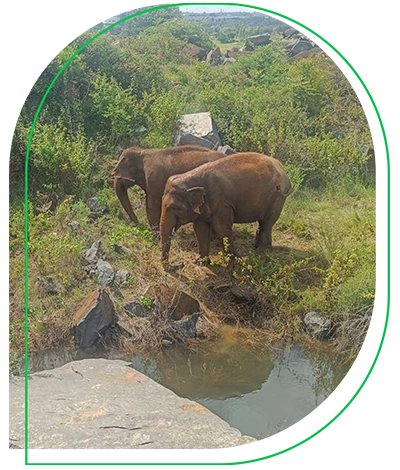
Creating naturalistic, safe, and secure living spaces is the foundation of elephant welfare. CSR funding and donations can support:
- Construction of elephant-proof enclosures, spacious sheds, walking tracks, and shade structures to ensure comfort and safety.
- Habitat enrichment and restoration within the campus—planting fodder trees,rewilding patches, improving soil quality, creating water ponds, mud wallows, and interactive enrichment zones.
- Development of protected grazing areas and safe roaming paths that promote natural behaviour, exercise, and psychological well-being.
Such investments build long-term habitat infrastructure that benefits present and future elephants under care.
Veterinary Care & Welfare
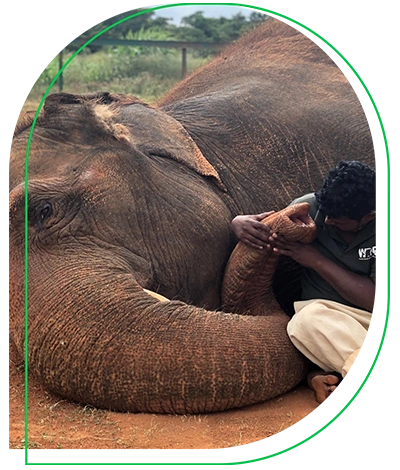
Elephants require continuous and highly specialised medical care. Both CSR support and donations can significantly strengthen welfare outcomes by funding:
- Medical treatments, routine health checks, diagnostics, foot care (a major health need), supplements, and emergency interventions
- Procurement of species-specific veterinary equipment—foot care tools, treatment kits, ultrasound and diagnostic devices, thermometers, and enrichment materials that support behavior and psychological health. Timely veterinary care is one of the most impactful areas where donor and CSR support directly reduces suffering and enhances elephant health.
Every donation—whether corporate or individual—directly enhances our ability to respond quickly and professionally to wildlife emergencies.
Caregiver and Operations Support
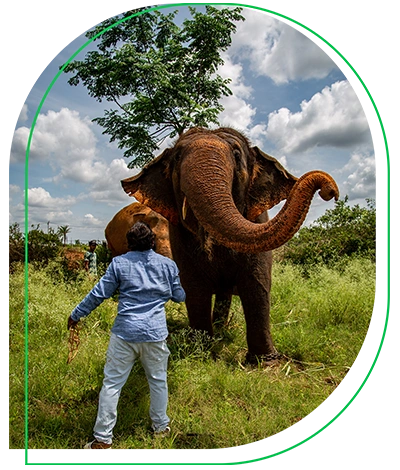
Daily elephant care involves large, skilled teams and substantial operational resources. CSR partners and donors can help sustain:
- Salaries for caregivers/mahouts, veterinary support staff, assistants, and ground teams.
- Recurring operational costs including fodder procurement, safe transportation, water supply systems, electricity, and facility maintenance.
- Staff safety infrastructure—protective equipment, handling tools, safety barriers, and training to ensure staff work safely around large animals.
Support in this category ensures uninterrupted, dignified, and compassionate care for elephants every single day.
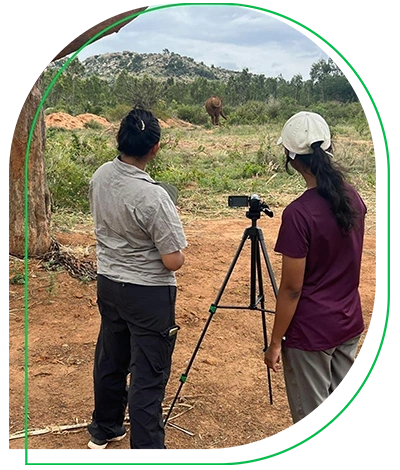
Research, Documentation & Elephant Welfare Programs
ECF plays a key role in long-term welfare monitoring and the development of standards for captive elephant management. CSR and donations can support:
- Long-term behaviour and welfare monitoring, medical documentation, and research on improving captive elephant well-being.
- Development and implementation of behaviour-based enrichment programs and welfare improvement pilots that enhance mental stimulation and reduce stress.
- Creation of educational materials, guides, documentation, short films, and awareness programs that help the public understand captive elephant issues and promote humane management practices.Such knowledge-building initiatives contribute to national-level improvements in captive elephant welfare and policy.
Every donation—whether corporate or individual—directly enhances our ability to respond quickly and professionally to wildlife emergencies.
CSR Compliance, SDGs & ESG Goals
CSR Compliance
Supporting WRRC’s Bannerghatta Rehabilitation Centre (BRC) and Elephant Care Facility (ECF) directly aligns with India’s CSR compliance mandates under Schedule VII of the Companies Act, 2013, particularly:
- Environmental sustainability & ecological balance
- Protection of flora and fauna
- Animal welfare
- Conservation of natural resources
- Promoting preventive healthcare (veterinary welfare)
These activities fall squarely within approved CSR domains, making partnerships with WRRC fully CSR-compliant.
ESG (Environmental, Social, Governance)
For companies pursuing ESG (Environmental, Social, Governance) commitments, WRRC offers a measurable, high-impact way to strengthen environmental and social stewardship. Wildlife rescue, elephant welfare, human–wildlife conflict mitigation, and scientific rehabilitation practices contribute directly to:
- E (Environmental):biodiversity protection, ecological restoration, reduced mortality of wildlife, healthier ecosystems.
- S (Social):community safety, awareness programs, training, and coexistence strategies.
- G (Governance): transparent reporting, documented impact, measurable outcomes
UN Sustainable Development Goals (SDGs)
WRRC’s work also advances several UN Sustainable Development Goals (SDGs), including:
- SDG 3 – Good Health & Well-being (animal health & community safety)
- SDG 11 – Sustainable Cities & Communities (urban wildlife management)
- SDG 12 – Responsible Consumption & Production (waste reduction, rehabilitation)
- SDG 13 – Climate Action (ecosystem resilience)
- SDG 15 – Life on Land (wildlife rescue, habitat protection, species welfare)
By supporting WRRC, companies not only meet statutory CSR requirements but also demonstrate leadership in environmental responsibility, build positive brand value, and contribute to long-term ecological resilience in Karnataka.