
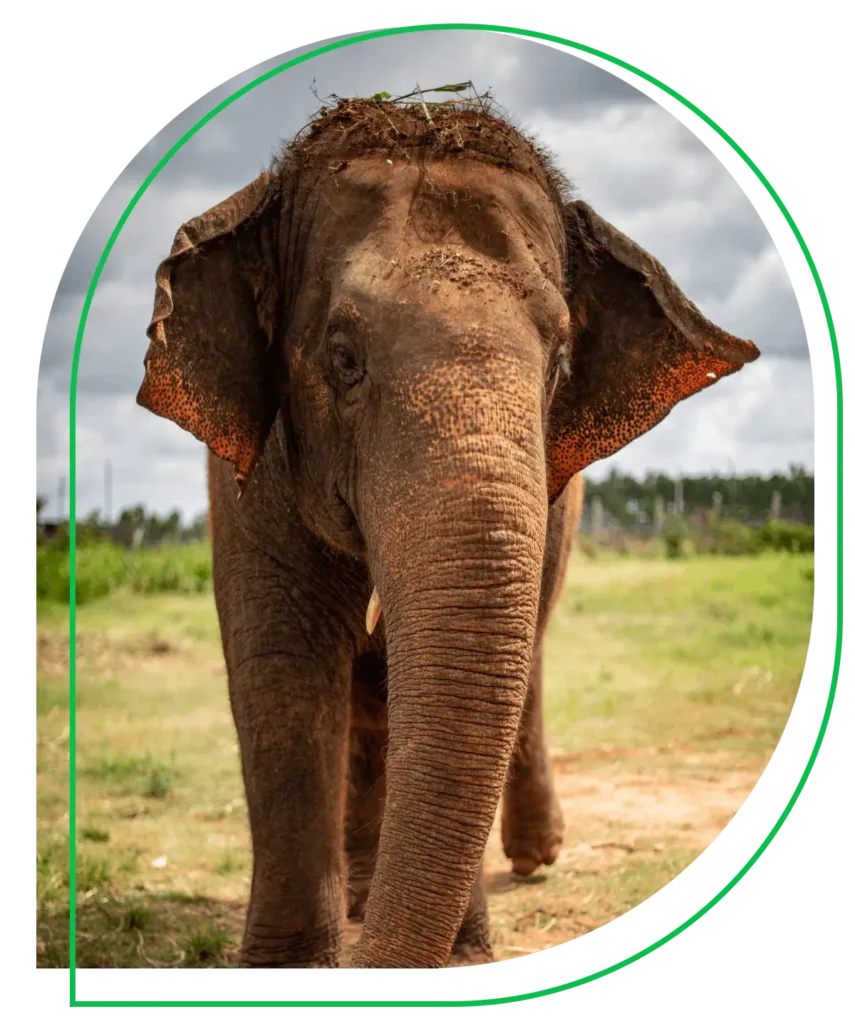
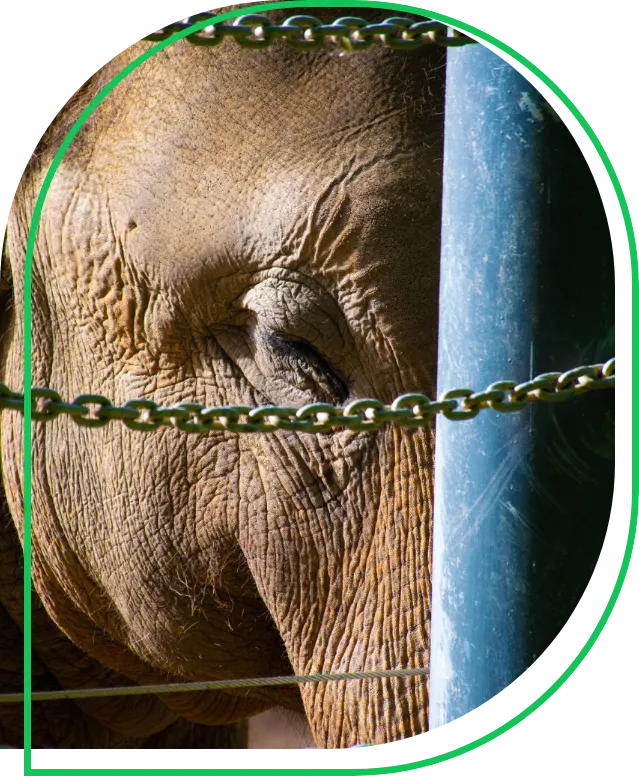
Elephants held in chains or forced custody are deprived of their freedom, dignity, and natural existence.Separation from family herds leads to deep emotional distress, as elephants are highly social and intelligent animals. Poor living conditions, unnatural diets, and lack of mental stimulation result in stress, trauma, and stereotypic behaviors like swaying or head-bobbing.
Elephants in unnatural setting endure severe physical and psychological suffering. They are often chained for long hours, restricting natural movement and causing chronic foot problems, joint pain, and arthritis. Many are forced to perform or work, despite injuries, exhaustion, or illness.
Constant restraint and human control often lead to chronic pain, stress, and trauma, while isolation from family herds causes deep psychological suffering. Stripped of choice and autonomy, captive elephants are denied the chance to live as wild, intelligent, and social beings—reducing them from guardians of forests to symbols of exploitation.
Elephants require deliberate human intervention today because expanding development, habitat fragmentation, and exploitation have severely disrupted their natural lives. The loss of forests and traditional migratory corridors has increased human–elephant conflict, often resulting in elephants being captured, confined, or placed under forced human control. Such captivity deprives elephants of their autonomy, social structures, and ecological roles.
As keystone species, elephants are vital and pertinent to forest health. Through seed dispersal, vegetation management, and the creation of water access points, they sustain biodiversity and maintain ecological balance. When elephants are removed from their natural habitats, forests degrade, ecosystems weaken, and the environmental services upon which humans depend are compromised.
Preventing captivity and conserving forests is therefore not merely an act of compassion—it is an ecological imperative. Protecting elephants ensures the preservation of resilient forests, functioning ecosystems, and a future founded on coexistence rather than exploitation.
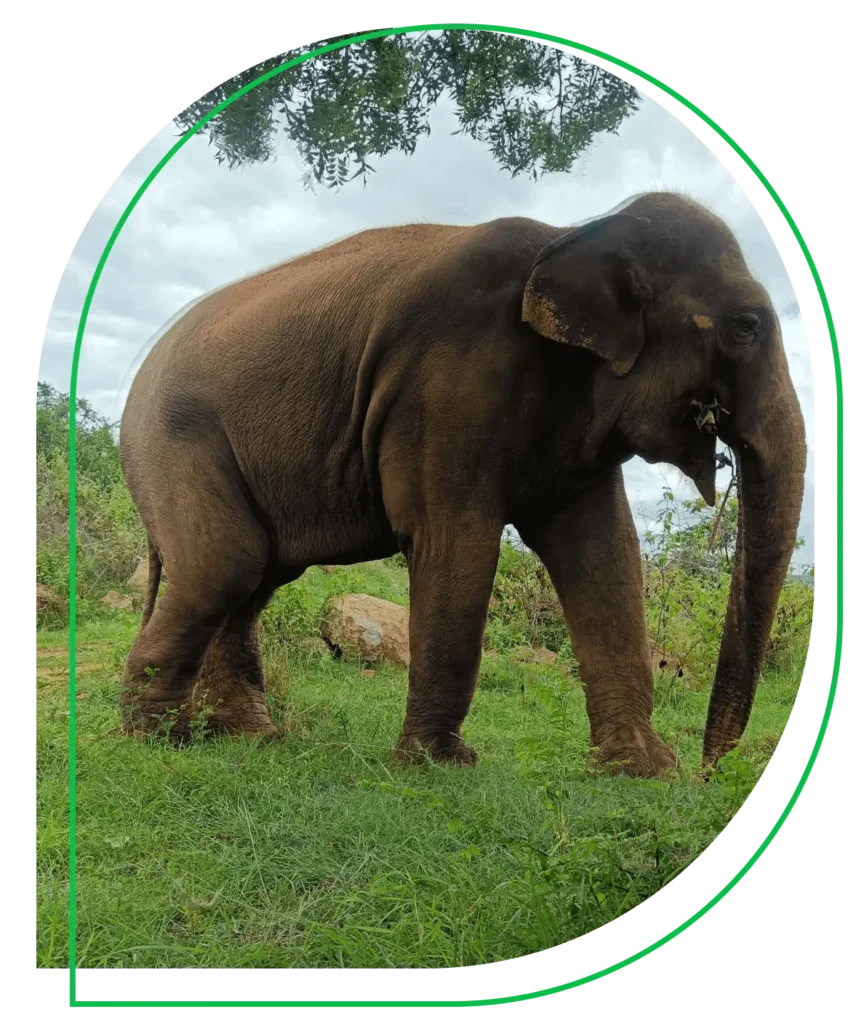
Jalebi was rescued from illegal captivity in Goa’s tourism industry, where she was used for tourist rides after being unlawfully transported from Kerala. Following directions from the Goa High Court, she was transferred to the ECF. Since her arrival, she has shown a gentle and curious temperament, gradually adjusting to her new environment.
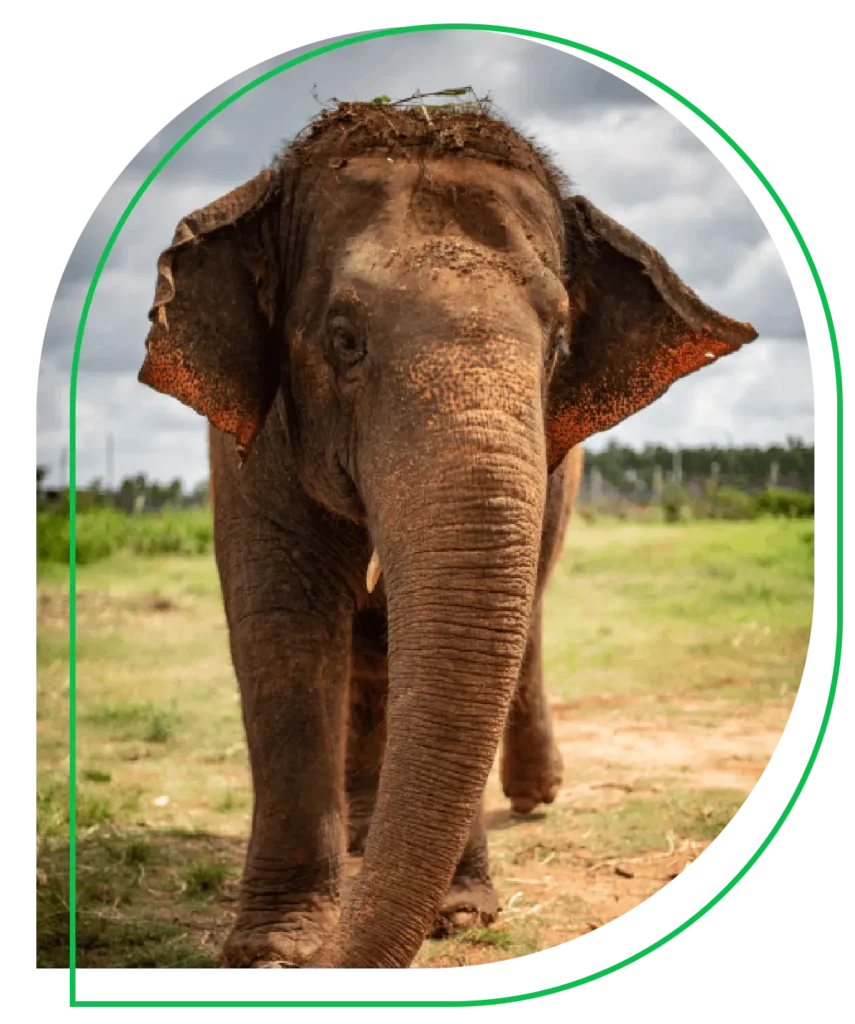
Lucky diagnosed with chronic limb deformity and blindness in one eye, was entrusted to WRRC for specialized care. With sustained veterinary intervention and a supportive environment, she has shown remarkable improvement, demonstrating resilience and adaptability
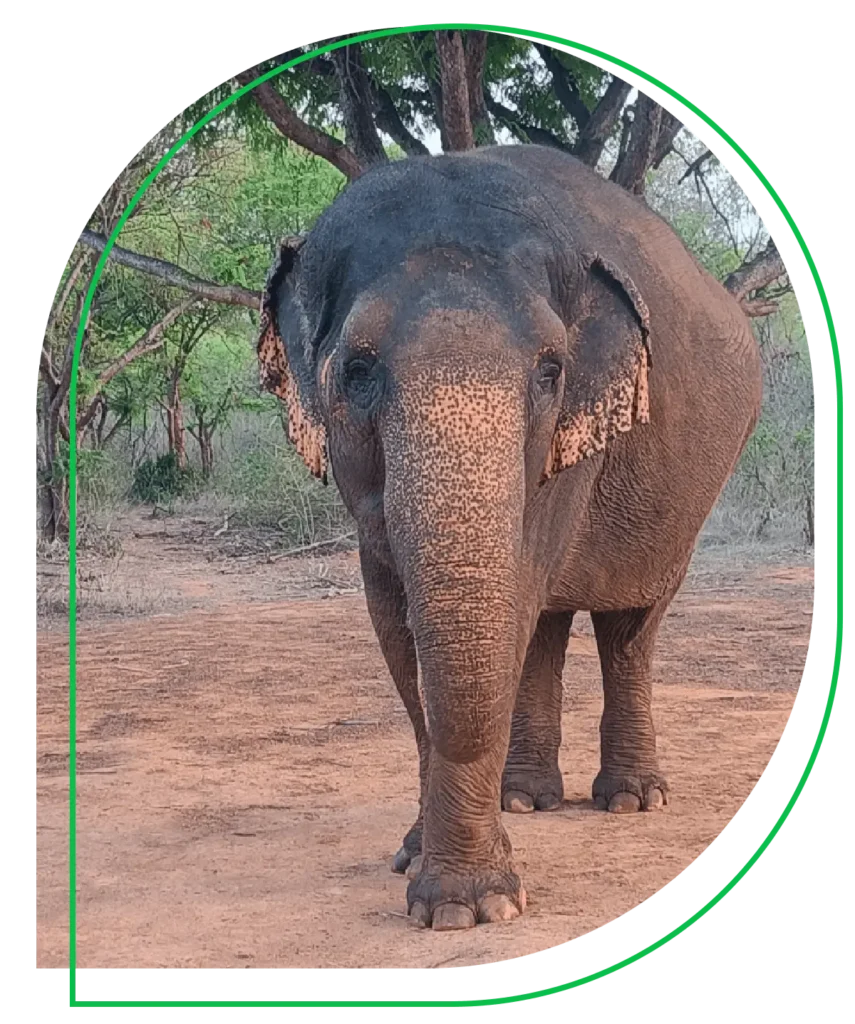
Devi confined in a small concrete enclosure in an urban setting, Durga suffered from severe nutritional deficiencies, foot abscesses, and emotional trauma.
Since her rescue, she has been adapting to life at the ECF, benefiting from open ground, mud baths, and interaction with other elephants. Her recovery reflects the possibility of healing after prolonged neglect.
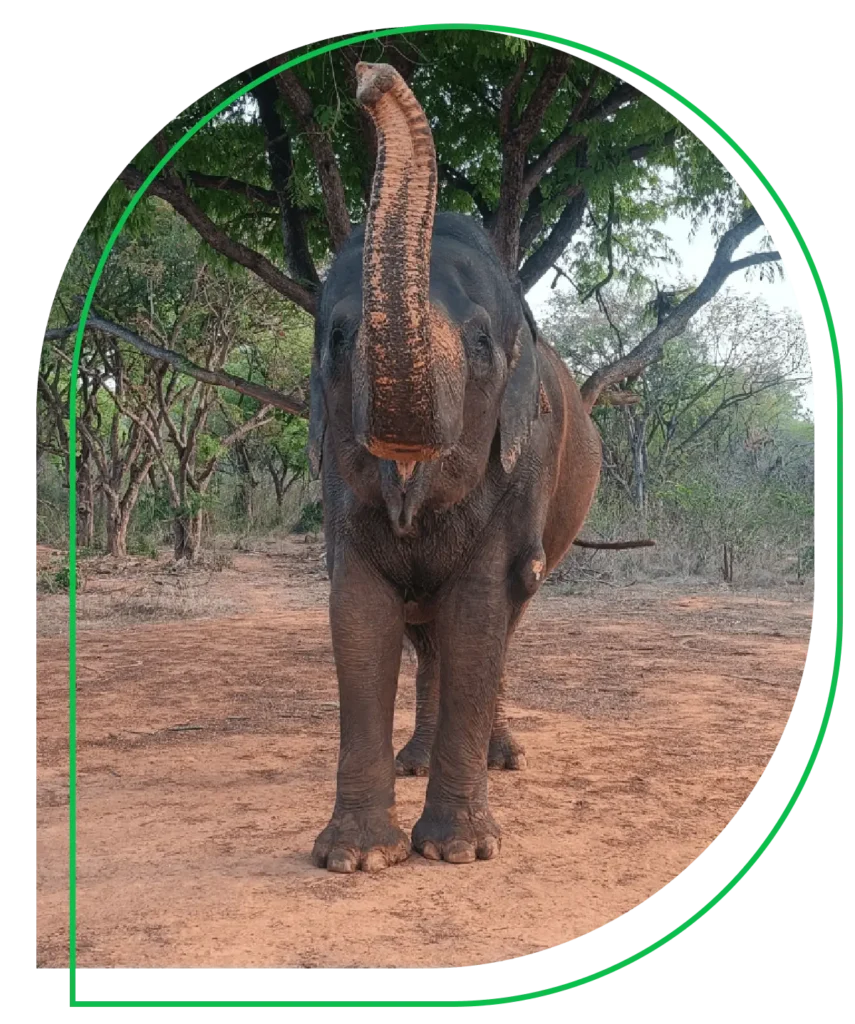
Gomthi was rescued from an institution where she lived in unsuitable conditions and suffered from foot ailments, dental issues, and high blood sugar. At the ECF, she receives specialised veterinary care, a balanced diet, and physical rehabilitation, allowing her to gradually regain strength and mobility.
Over 35 years of age arrived with chronic lameness, arthritis, and a painful hip abscess. Years of untreated conditions had severely impacted her mobility. She now receives ongoing pain management and veterinary care, enabling her to live with improved comfort and dignity.