Here at the Wildlife Rescue and Rehabilitation Centre, conservation of urban wildlife through methods such as rescue, rehabilitation and advocacy is our primary goal
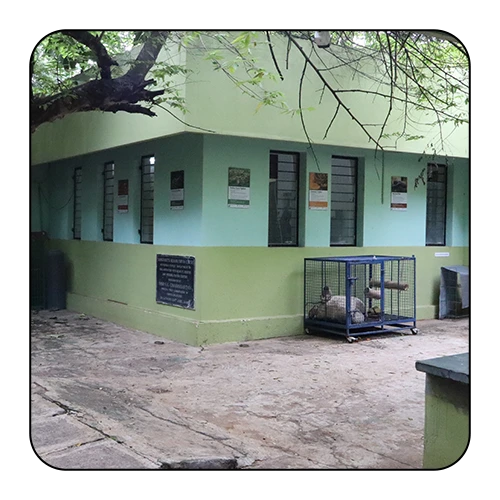
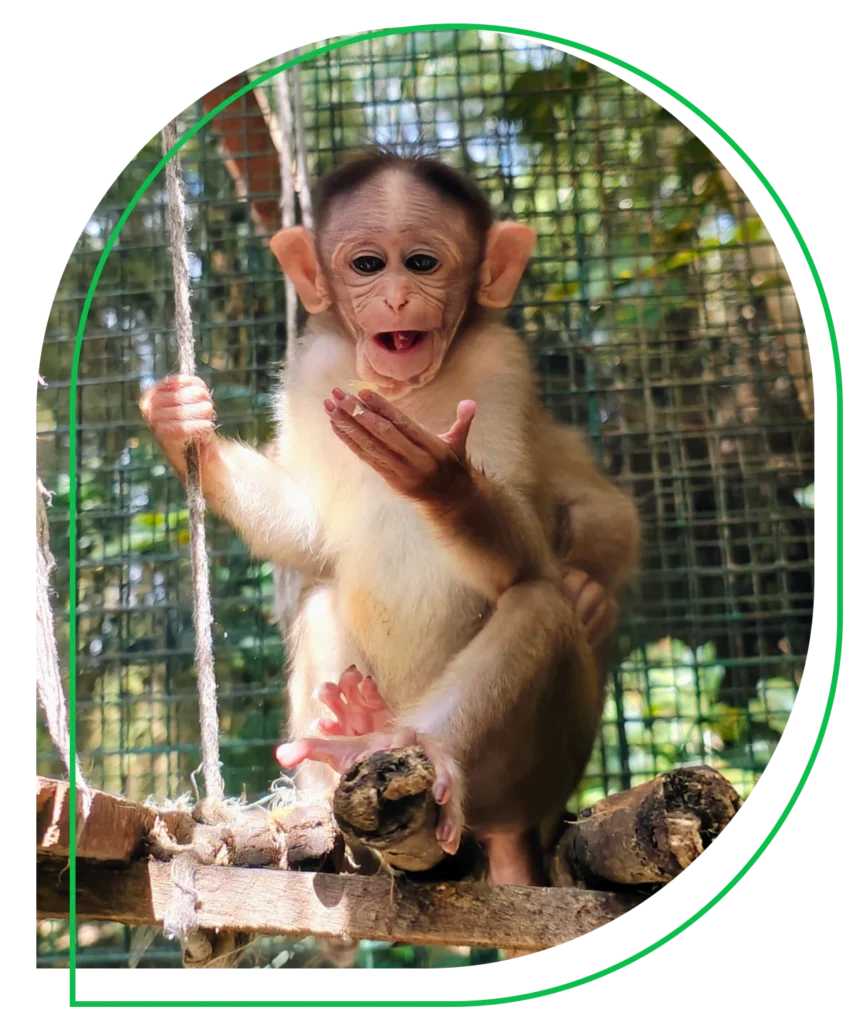
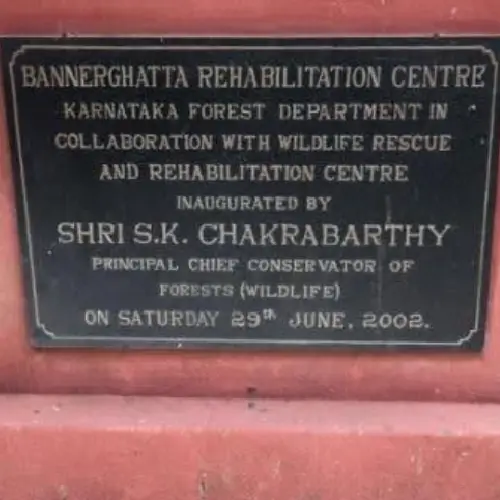
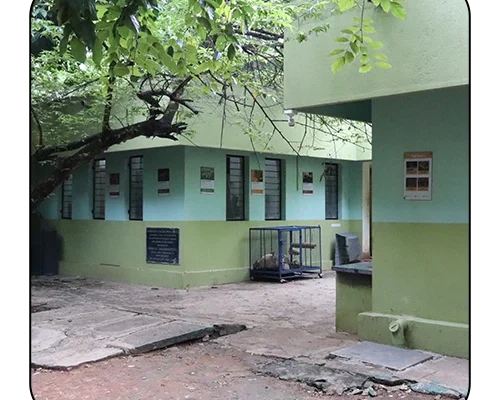
The Bannerghatta Rehabilitation Centre, which became an operational part of the Wildlife Rescue and Rehabilitation Centre in the year 2000, is a 7-acre rescue and rehabilitation centre located on the northern edge of Bannerghatta National Park, managed jointly by the Karnataka Forest Department and WRRC. Designed to provide a safe haven for wildlife, BRC caters to a wide range of rescued animals from macaques and parakeets to reptiles and birds of prey. Animals brought to BRC are often victims of the illegal wildlife trade, accidents, abused for black magic rituals, or have been kept as pets before being surrendered. The centre houses specialized enclosures including reptile pits, aviaries of varying sizes, and enriching enclosures for macaques and parakeets, complete with swings, tires, and climbing structures to keep them mentally and physically stimulated. Read More
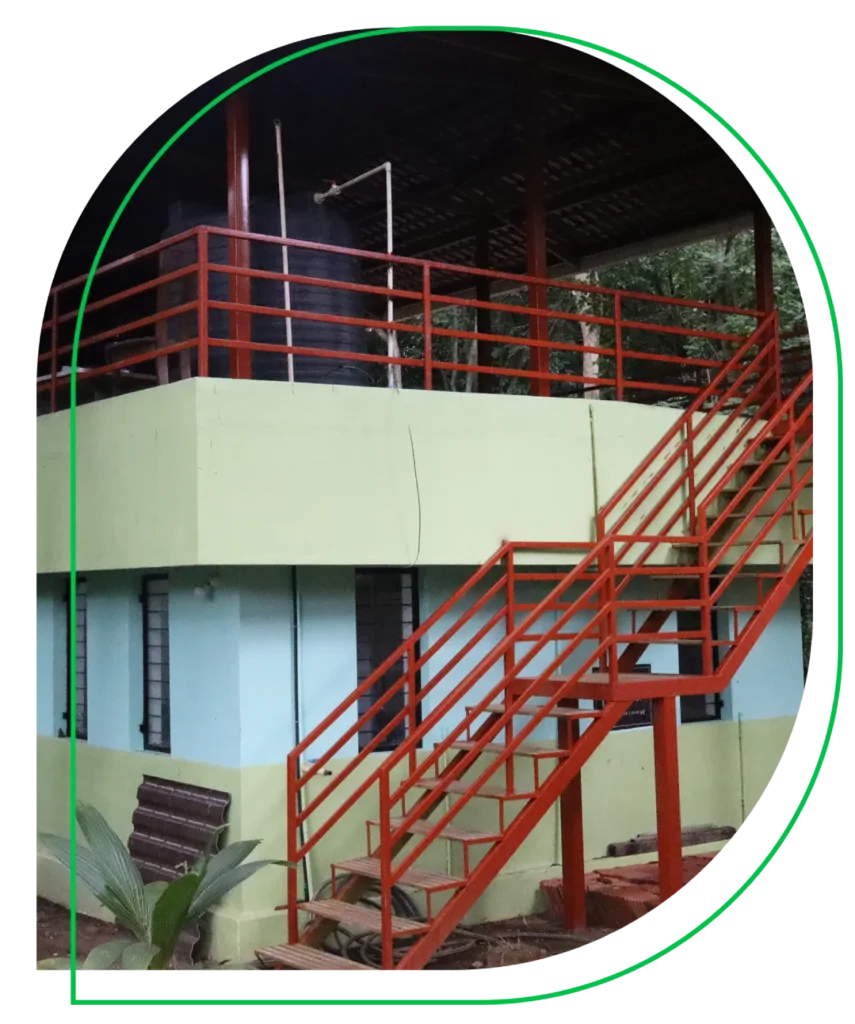
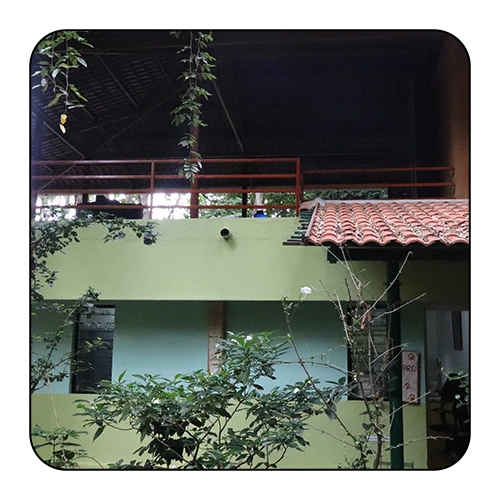
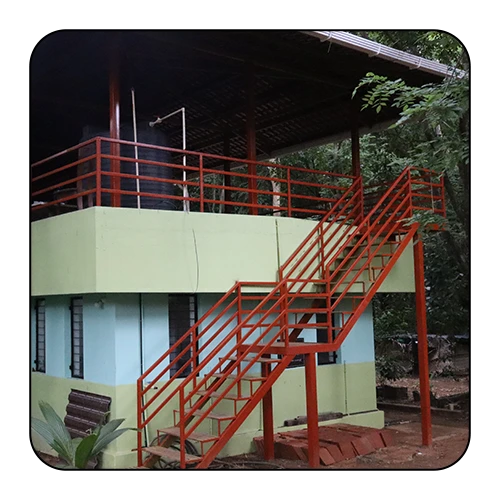
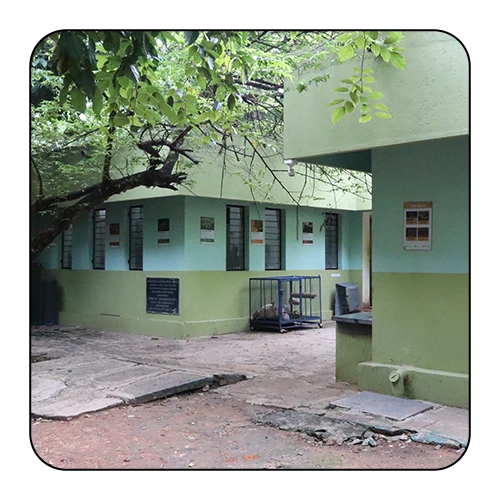
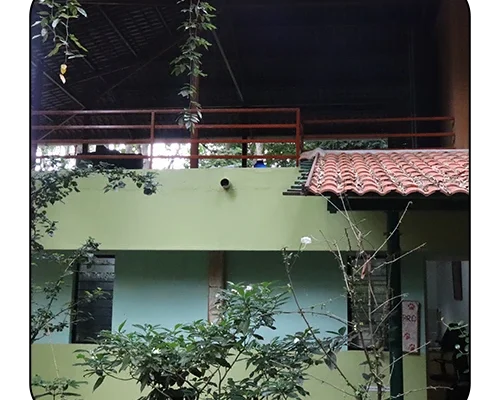
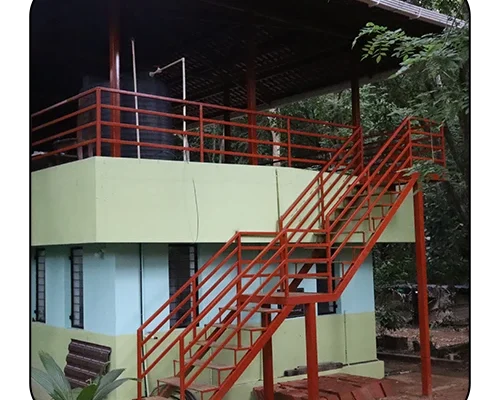
The facility is equipped with a fully functional surgery room, animal kitchen, pre- and post-operative holding areas, and staff quarters. Importantly, diagnostic tools like an ultrasound and an X-ray machine are now part of the centre’s medical infrastructure, allowing for quicker and more accurate health assessments. Situated in an ecologically sensitive area frequented by elephants, leopards, wild boars, and numerous bird species, BRC closes at dusk for safety. A secure electric fence is activated overnight, both to deter curious wildlife and to ensure the safety of animals and staff alike.
Here at the Wildlife Rescue and Rehabilitation Centre, conservation of urban wildlife through methods such as rescue, rehabilitation and advocacy is our primary goal.
The Emergence of BRC
The emergence of BRC was a direct response to the "crisis" facing urban wildlife in a rapidly expanding Bangalore. During the late 1990s, existing domestic animal shelters found themselves overwhelmed by calls for injured birds of prey, displaced primates, and injured and confiscated reptiles—species they were not equipped to treat. BRC emerged to fill this critical gap, providing a facility that offered specialized veterinary care and specific diets that domestic pets do not require. Built between 2000 and 2002, the center became a unique "transition zone" on the northern edge of the forest, allowing urban-rescued animals to acclimate to the sights and sounds of the wild before their eventual release.
How was BRC Formed
The formation of the Bannerghatta Rehabilitation Centre (BRC) was the result of a strategic partnership between a private charitable trust and the state government. Following the official registration of the Wildlife Rescue and Rehabilitation Centre (WRRC) in 1999, the organization sought a dedicated space to handle the increasing influx of wild rescues. This culminated in a landmark Memorandum of Understanding (MoU) signed with the Karnataka Forest Department on March 15, 2000. Through this agreement, the center was granted 7 acres of land adjoining the Bannerghatta National Park. The facility was formally inaugurated in October 2000 by the Principal Chief Conservator of Forests, marking the beginning of a specialized era for wildlife welfare in the region.
Vision of BRC
The vision of BRC goes beyond just “patching up” animals; it is centered on the restoration of ecological balance.
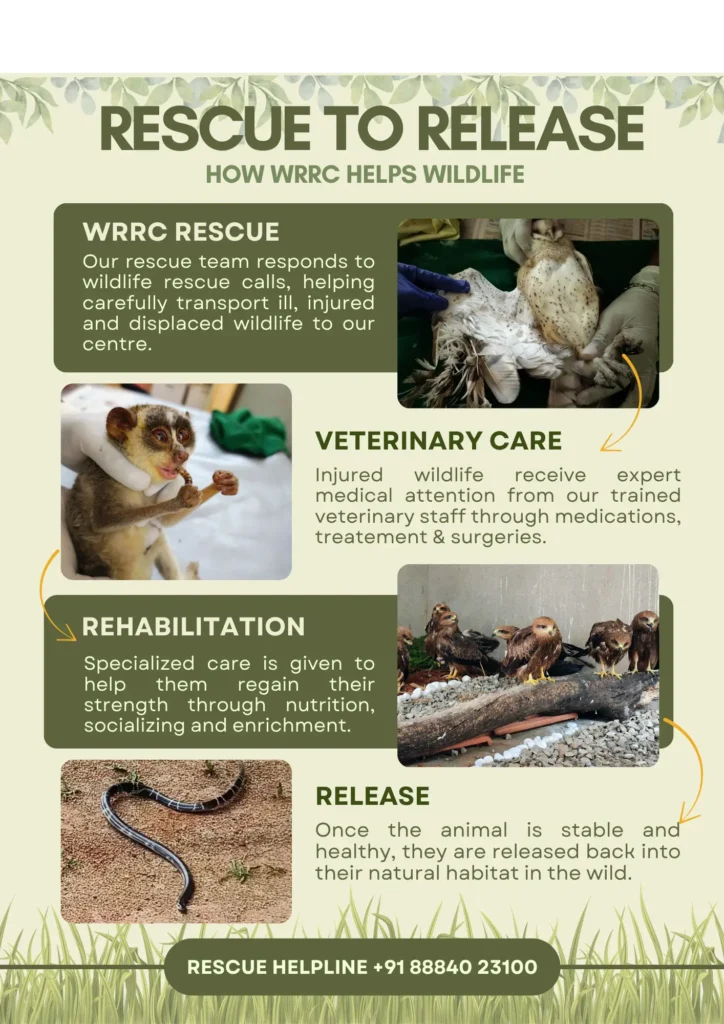
Rehabilitation Over Captivity: BRC’s vision is that no animal should stay permanently. Every rescue is treated with the goal of returning it to its natural habitat.
The “One Health” Approach: They believe that the health of urban humans is linked to the welfare of the urban wildlife (monkeys, birds, reptiles) that share our space.
Compassionate Coexistence: To shift public perception from seeing urban wildlife as “pests” (like monkeys or snakes) to seeing them as vital components of the ecosystem.
Sustainability and protecting habitats – Unsustainable actions (deforestation, pollution, overconsumption) destroy habitats and push species toward extinction.